
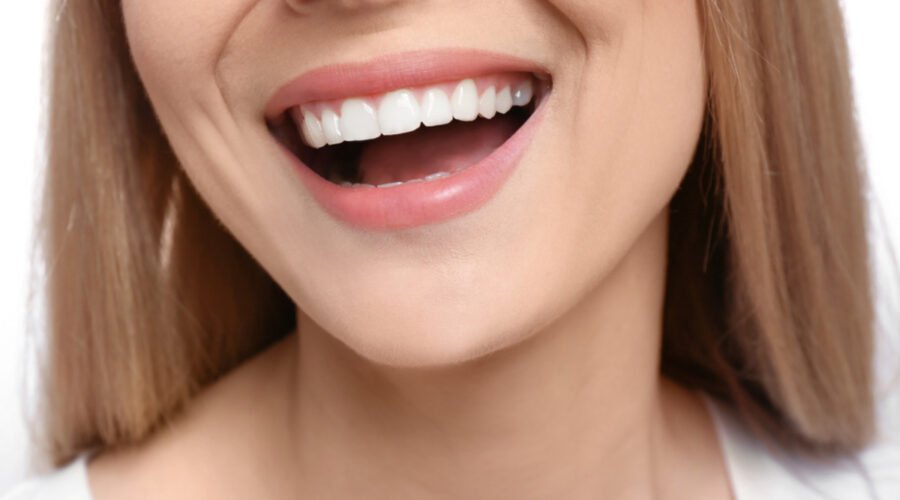
A natural smile is more than an arrangement of healthy-looking teeth. It is a living record of daily habits, nourishment, prevention, genetics and the decisions made when problems first appear. In modern Australian dentistry, preserving that smile increasingly means looking beyond the dental chair. What happens on the plate, how consistently the mouth is cared for and how promptly disease is treated can all influence whether a natural tooth remains healthy for decades.
This philosophy reflects a broader movement in dentistry: from repairing damage after it occurs to identifying risk earlier and protecting healthy tooth structure whenever possible. The Australian Dental Association (ADA) describes minimal intervention dentistry as an approach centred on risk assessment, early detection and the least invasive management of oral disease.
Nutrition: The Smile Begins at the Table
Every meal creates an environment inside the mouth. Saliva, bacteria, food particles and tooth surfaces interact continuously, making nutrition an important part of oral health rather than simply a general wellness concern.
Australian dietary guidance encourages a varied diet built around vegetables and legumes, fruit, wholegrain cereals, lean protein sources, nuts and seeds, and milk, yoghurt, cheese or suitable alternatives, while recommending limits on foods and drinks containing added sugars.
For teeth, the issue is not simply how much sugar someone consumes, but also how frequently teeth are exposed to it. Dietary sugars can be metabolised by plaque bacteria, producing acids that lower plaque pH and contribute to the demineralisation associated with dental caries. Acidic foods and beverages can also contribute to tooth surface erosion.
This makes everyday choices surprisingly powerful. Drinking water instead of regularly sipping sweetened beverages, limiting frequent sugary snacks and choosing nutrient-dense foods can help create a more favourable environment for the teeth.
Nutrition cannot replace brushing or professional dental care, but it can either support or undermine them. A beautiful smile therefore begins long before a dentist examines it.
When Saving the Tooth Becomes the Priority
Despite excellent preventive habits, teeth can sometimes become severely damaged by decay, cracks, trauma or repeated dental procedures. When infection or inflammation reaches the pulp—the soft tissue containing nerves and blood vessels inside the tooth—removing the tooth is not always the only option.
Root canal therapy can provide a pathway to preserving the natural tooth. According to the Australian Dental Association, the procedure involves cleaning the space inside an infected or badly damaged tooth, then filling it to allow the tooth to remain in the mouth.
Healthdirect similarly explains that root canal treatment cleans, shapes and fills the root canals to control infection and save the tooth, after which the tooth may require a filling or crown to restore and protect it.
The significance of this goes beyond eliminating discomfort. A natural tooth contributes to chewing, stability and the overall architecture of the mouth. When a tooth can be predictably restored, preserving it may help avoid the additional procedures that can become necessary after extraction, such as tooth replacement.
That does not mean every compromised tooth should automatically undergo root canal treatment. Diagnosis, tooth structure, restorability, periodontal health and the patient’s individual circumstances all influence the appropriate decision. Modern dentistry is strongest when treatment is personalised rather than predetermined.
Prevention Is the Quiet Architecture of Dental Health
The most successful dental treatment is often the treatment that never becomes necessary.Preventive dental care may appear routine—brushing, cleaning between the teeth and attending regular dental examinations—but these habits form the foundation upon which modern dentistry operates. The ADA recommends brushing twice daily with fluoride toothpaste, cleaning between teeth once a day and maintaining regular professional dental visits.
These practices matter because dental decay and gum disease are among the most common oral diseases affecting Australians. Plaque is a major contributor to both, and effective oral hygiene helps reduce plaque while delivering preventive agents such as fluoride to vulnerable tooth surfaces.
Prevention is also about awareness. A small cavity, early gum inflammation or subtle change in a tooth may be easier to manage than a problem allowed to progress unnoticed. Regular examinations give dentists an opportunity to identify risks and develop personalised strategies before minor concerns become complex restorative challenges.
Preserving More Than Teeth
The idea of preserving a natural smile ultimately represents a different way of thinking about dentistry. It recognises that oral health is not a collection of isolated procedures but a continuum of choices.
Nutrition helps shape the oral environment. Preventive care helps identify and control risk. Professional intervention addresses disease when it develops. Root canal therapy can sometimes rescue a tooth that might otherwise be lost.
Together, these approaches create a more conservative vision of modern Australian dentistry—one that values the natural tooth before replacing it, prevention before extensive repair and informed decisions before unnecessary intervention.
A lasting smile is rarely created by one extraordinary treatment. More often, it is protected through hundreds of ordinary decisions: what we eat, how we clean our teeth, when we seek professional advice and whether we act when a problem is still manageable.The future of dentistry may be increasingly digital, precise and technologically sophisticated. Yet its most enduring principle remains remarkably simple: preserve what is healthy, protect what can be saved and intervene thoughtfully when nature needs assistance.
2 thoughts on “Preserving the Natural Smile: Why Nutrition, Preventive Dental Care and Root Canal Therapy Matter in Modern Australian Dentistry”