
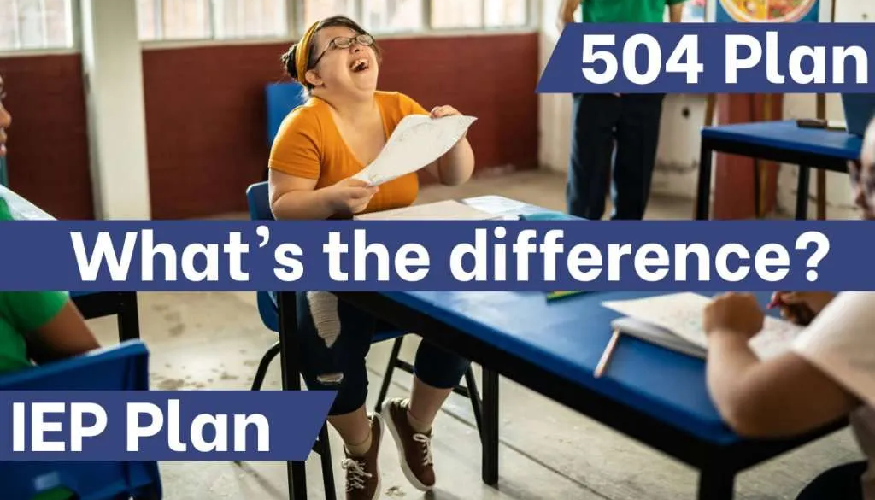
A 504 plan guarantees equal access to education by providing formal accommodations for students with documented physical or mental impairments. Derived from Section 504 of the Rehabilitation Act of 1973, this legal framework prevents discrimination and levels the playing field in public schools. It removes physical and academic barriers, ensuring that a student’s medical condition does not hinder their ability to learn alongside their peers. Understanding how these plans operate empowers families to secure the exact classroom adjustments necessary for long-term academic success.If your child has a medical condition or learning disability that requires accommodations to succeed in the classroom, you might find yourself asking, “what is a 504 plan?” and exploring how it differs from an Individualized Education Program (IEP).
Defining the Eligibility Criteria
Securing a 504 plan requires proving that a student has a physical or mental impairment that substantially limits one or more major life activities. Major life activities include learning, reading, thinking, concentrating, eating, or breathing, as well as major bodily functions. Common diagnoses that qualify students include Attention-Deficit/Hyperactivity Disorder (ADHD), type 1 diabetes, severe food allergies, asthma, anxiety, and temporary orthopedic injuries.
Read More: Healthcare Careers Are Changing Faster Than Most People Realize
The evaluation process relies on multiple data sources rather than a single medical diagnosis to determine eligibility. School teams review medical records, teacher observations, report cards, standardized test scores, and parental input. If the collected data demonstrates that the impairment significantly impacts the student’s daily school experience, the school creates a formal plan.
Tailoring Accommodations to Individual Student Needs
The core strength of a 504 plan lies in its customized list of accommodations, which adjust how a student learns without altering what they are expected to learn. Unlike specialized instruction that changes curriculum benchmarks, these adjustments focus entirely on environmental and procedural alterations. Accommodations target the specific friction points created by the medical diagnosis to keep the student on track.
An accommodation might involve seating a student with ADHD away from hallway distractions or providing frequent movement breaks throughout the day. For student managing diabetes, the plan might grant unrestricted bathroom access and permission to carry snacks during exams. These simple, calculated modifications eliminate physical and psychological stress, allowing the student to focus fully on the academic material.
The Operational Differences Between a 504 Plan and an IEP
Navigating educational support requires understanding that a 504 plan differs significantly from an Individualized Education Program (IEP) in scope and legal origin. While both frameworks provide essential school support, they operate under entirely different federal laws and serve separate student populations. An IEP falls under the Individuals with Disabilities Education Act (IDEA) and requires a student to need specialized, altered instruction.
A 504 plan focuses exclusively on civil rights access, serving students who can handle standard curriculum content but need accommodations to access it. IEPs involve stricter state guidelines, mandatory annual meetings, and specialized funding allocations for special education services. The 504 process features a more streamlined, flexible management structure that schools can update rapidly as a student’s medical needs evolve.
The Path to Securing Academic Accommodations
Implementing a 504 plan involves a collaborative sequence that bridges communication between home, medical professionals, and school administration. Parents can initiate this formal process at any point during the academic calendar.
Read More: Understanding the Importance of Donating Blood Plasma for Health and Community Wellness
Once established, the school distributes the final document to every teacher, coach, and administrator who interacts with the student. This distribution ensures that accommodations remain consistent across different classrooms, testing centers, and extracurricular activities. The school reviews the plan periodically to ensure the adjustments remain effective as the student transitions to higher grade levels.
Common Forms of Classroom Adjustments
A comprehensive 504 plan draws from a wide variety of environmental, testing, and structural adjustments to support daily student performance.
- Environmental Modifications: Preferential seating near the instructor, specialized ergonomic furniture, or permission to use noise-canceling headphones during independent study.
- Testing Accommodations: Extended time on examinations, reduced question counts per page, or access to a quiet, separate testing environment.
- Organizational Support: Provision of a duplicate set of textbooks for home use, digital assignment trackers, or guided skeletons of lecture notes.
- Medical and Physical Exemptions: Tailored participation parameters for physical education classes, nursing suite access, or customized elevator passes.
Conclusion
For kids facing learning disabilities and chronic health concerns, a 504 plan changes the educational landscape.Formalizing these accommodations protects a student’s civil rights and ensures their academic environment supports their physical and mental health. Open collaboration between parents, students, and educators maximizes the effectiveness of the plan and fosters self-advocacy skills that serve students long after graduation. Initiating the conversation with your school coordinator opens the door to a more accessible, equitable, and successful learning experience.