The healthcare workforce once moved at a predictable pace. Nurses spent entire careers in single departments. Medical professionals followed the same practices for many years. The technicians became experts on a single piece of equipment and continued to use it throughout their careers. That stability has evaporated. Workers who step away from healthcare for even short periods return to find their former workplaces transformed. New equipment replaces familiar tools. Different protocols govern patient care. Colleagues have moved into entirely new roles. New learning curves emerge every few years.
Technology Reshapes Every Role
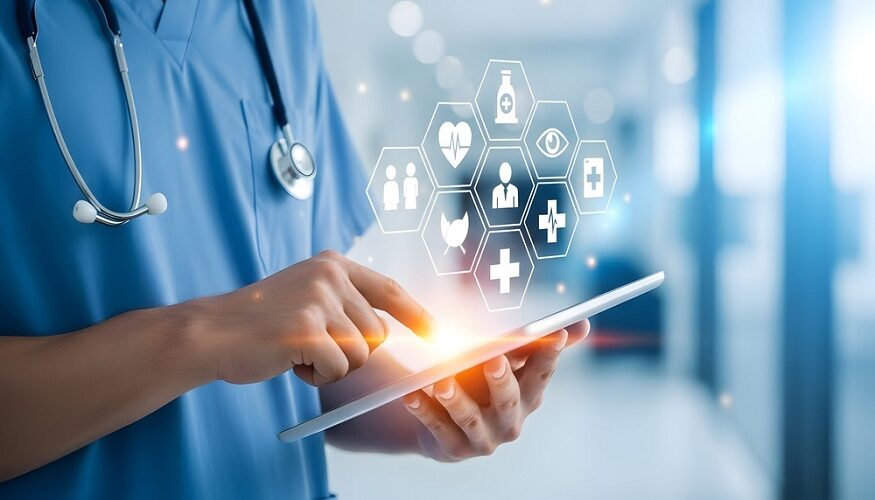
Screens are everywhere in modern healthcare. These are more than just fancy monitors. They’re basically changing how healthcare workers do their jobs every day. Surgeons practice operations in virtual environments before performing actual procedures. Imaging technicians spend more time managing digital files than handling physical materials. Pharmacies deploy automated systems for prescription filling, while pharmacists focus on patient consultation through video platforms. Even environmental services teams operate ultraviolet disinfection robots.
Read More: Understanding the Importance of Donating Blood Plasma for Health and Community Wellness
The learning demands feel overwhelming at times. Programs teaching AI for doctors help medical professionals grasp these tools. ProTrain has developed courses that merge clinical expertise with practical tech skills for modern healthcare settings. The goal is not converting physicians into software developers but understanding how algorithms process lab results has become as fundamental as interpreting vital signs. Some workers embrace this technological shift enthusiastically. Others struggle to keep up. Success often depends on mindset rather than generational factors.
New Positions Emerge While Others Disappear
Healthcare job postings from ten years ago look foreign compared to current listings. The titles, responsibilities, and required skills have transformed completely. Clinical documentation specialists emerged with electronic health records. Telehealth coordinators became essential after remote care expanded. Patient advocates, care navigators, medical scribes; these positions multiply while traditional roles shrink or evolve beyond recognition.
Positions centered on physical media disappeared as digital systems took over. Manual filing roles vanished with scanning technology. Voice recognition software reduced demand for traditional transcription services. Yet many workers successfully transitioned to adjacent fields. Former film processors might operate 3D printing labs. Previous filing staff could become electronic records trainers.
Remote Work Transforms Healthcare Delivery
Healthcare no longer requires a physical presence for many roles. Mental health professionals conduct sessions from home offices. Radiologists interpret images from remote locations. Critical care specialists monitor multiple facilities from centralized command centers. Dermatologists diagnose conditions through digital photographs as often as in-person examinations.
Read More: Why Local, Personalised Physiotherapy Makes a Real Difference to Recovery
This shift eliminates geographic constraints. Specialists in rural areas treat patients in major cities. Small facilities access expertise from professionals located anywhere. Competition for positions extends nationally, sometimes globally. Remote capabilities create workplace disparities. Some professionals commute to facilities while peers with identical credentials work from home. Same qualifications, same duties, vastly different daily routines. Organizations struggle to balance fairness and flexibility.
Education Never Ends
Professional degrees represent starting points, not finish lines. Healthcare knowledge expires rapidly. Treatments evolve. Regulations change. Yesterday’s best practices become tomorrow’s outdated methods. Professionals who stop learning decline professionally. Weekend certifications. Lunch-break webinars. Late-night study sessions. Healthcare workers incorporate education into every available moment. They focus on wound management, hold qualifications in quality improvement, and possess certificates covering everything from specialized patient care to healthcare administration. Successful professionals see their careers as operating systems, needing continuous updates to function effectively.
Conclusion
Healthcare careers don’t follow predictable trajectories anymore. They zigzag, circle back, and branch unexpectedly. Dental hygienists become sleep specialists. Emergency technicians transition into healthcare informatics. Medical assistants launch patient service companies. These aren’t unusual exceptions. They’re becoming standard career progressions. Workers who adapt to constant change discover abundant opportunities. Those expecting healthcare to return to previous patterns will wait indefinitely.