
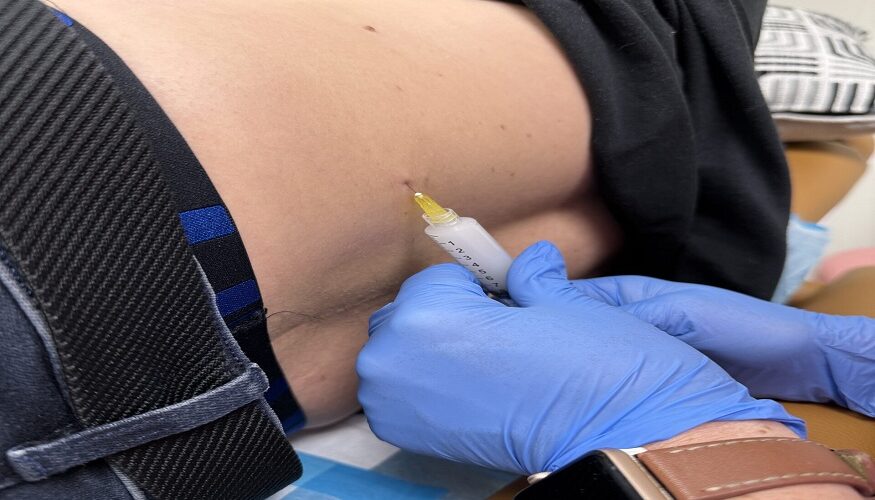
Testosterone Replacement Therapy is a medical treatment designed to help men regain hormonal balance when their natural testosterone levels fall below normal. Testosterone is a key hormone responsible for muscle growth, bone density, red blood cell production, mood stability, and sexual health. As men age, testosterone levels naturally decline, but in some cases, the drop is significant enough to cause disruptive physical and emotional symptoms. With proper medical supervision, Testosterone Replacement Therapy can offer a safe and structured way to restore energy, confidence, and overall well-being.
What Is Testosterone Replacement Therapy?
Testosterone Replacement Therapy is a clinically supervised treatment that supplements the body with testosterone when it is no longer producing adequate amounts. This condition, commonly known as low testosterone or hypogonadism, can affect men of different ages, although it is more common after the age of 30.
Low testosterone does not simply affect sexual performance—it influences multiple systems in the body. Men experiencing hormonal decline may notice reduced stamina, mood changes, increased body fat, loss of muscle mass, and difficulty concentrating. Because these symptoms often develop gradually, they may be mistaken for stress or normal aging. However, blood testing can confirm whether testosterone levels are below the healthy range. When both symptoms and lab results align, doctors may recommend Testosterone Replacement Therapy as part of a personalized treatment plan.
Available Treatment Methods
There are multiple ways testosterone can be administered, allowing flexibility based on lifestyle and medical needs.
- Injections
Intramuscular injections are one of the most common methods. They are usually given every one to two weeks and provide controlled hormone levels. - Topical Gels and Creams
These are applied daily to the skin, allowing testosterone to be absorbed directly into the bloodstream. Users must take precautions to avoid transferring the medication to others. - Skin Patches
Patches deliver steady hormone levels over a 24-hour period and are replaced daily. - Implantable Pellets
Small pellets inserted under the skin release testosterone gradually over several months, offering long-term convenience.
Each method has its own advantages, and a healthcare provider will determine the most appropriate option for safe and effective Testosterone Replacement Therapy.
Benefits of Testosterone Replacement Therapy
When prescribed responsibly and monitored carefully, Testosterone Replacement Therapy can produce meaningful improvements in physical and emotional health. Many men report noticeable changes within weeks of beginning treatment.
Potential benefits include:
- Increased energy and reduced fatigue
- Improved libido and sexual function
- Enhanced mood and reduced irritability
- Greater muscle strength and lean body mass
- Reduced body fat
- Improved bone density
These improvements can significantly boost quality of life, especially for men who have struggled with long-term hormonal imbalance. However, individual results vary depending on age, overall health, and lifestyle habits.
Risks and Safety Considerations
Although Testosterone Replacement Therapy can offer substantial benefits, it is not suitable for everyone. Like any medical treatment, it carries potential risks. Some men may experience acne, mild fluid retention, increased red blood cell count, or breast tenderness.
There are also concerns regarding prostate health and cardiovascular risks, which is why consistent medical monitoring is essential. Doctors typically conduct regular blood tests to measure testosterone levels, red blood cell counts, and prostate-specific antigen (PSA) levels. Self-prescribing or purchasing testosterone without medical supervision can lead to serious health complications and should always be avoided.
Who Should Consider Therapy?
Not all men with fatigue or low libido require Testosterone Replacement Therapy. Proper diagnosis requires both clinical symptoms and confirmed low testosterone levels through laboratory testing. A complete medical evaluation helps rule out other causes such as thyroid disorders, depression, or nutritional deficiencies.
Men with untreated prostate cancer, breast cancer, or severe heart conditions may not be suitable candidates. Therefore, professional guidance is critical before beginning any hormonal treatment.
Supporting Hormone Health Naturally
Even when undergoing Testosterone Replacement Therapy, healthy lifestyle habits play a major role in treatment success. Regular strength training can naturally stimulate testosterone production. Maintaining a balanced diet rich in healthy fats, lean proteins, and essential vitamins supports hormonal stability.
Adequate sleep, stress management, and maintaining a healthy weight further enhance treatment results. In some cases, improving lifestyle factors may reduce the severity of symptoms and improve long-term outcomes.
Conclusion
Hormonal balance is fundamental to men’s health, influencing everything from energy levels to emotional stability. When testosterone levels decline significantly, the effects can disrupt daily life and diminish overall vitality. Testosterone Replacement Therapy offers a medically guided solution to restore hormonal balance and improve quality of life. However, it must be approached carefully, with professional supervision and ongoing monitoring.