
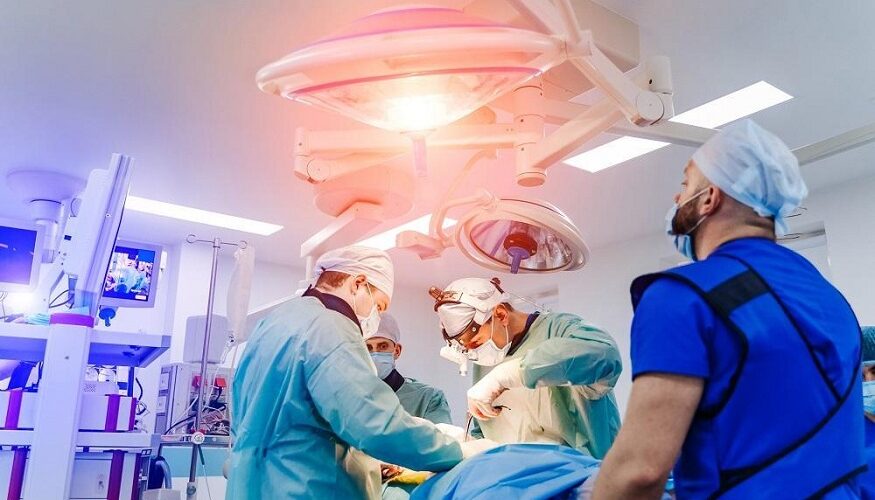
Lower back pain is common, but when that pain travels down the leg, causes weakness, or interferes with everyday movement, it can become far more debilitating. Sciatica is one of the most well-known nerve-related conditions affecting the spine, and for some people it progresses beyond what conservative treatments can resolve. When pain becomes persistent, severe or disabling, surgical intervention may be considered as a way to restore quality of life.
For patients exploring sciatica surgery, understanding when surgery is appropriate, what it involves, and what outcomes to expect is an important part of making an informed decision.
Understanding sciatica and its causes
Sciatica refers to pain caused by irritation or compression of the sciatic nerve, the longest nerve in the body. It runs from the lower back, through the hips and buttocks, and down each leg. When this nerve is compressed, pain can radiate along its path, often accompanied by tingling, numbness or weakness.
Read More : HOW TO ENSURE AUTHENTICITY WHEN BUYING CANADA GOOSE SMOKES
The most common causes include:
- Herniated or slipped discs
- Spinal stenosis
- Degenerative disc disease
- Spondylolisthesis
- Bone spurs
In many cases, sciatica improves with time and non-surgical treatments. However, when the underlying cause continues to place pressure on the nerve, symptoms may persist or worsen.
When non-surgical treatment is no longer enough
Initial management of sciatica usually focuses on conservative approaches. These may include physiotherapy, pain relief medication, anti-inflammatory treatments, activity modification or spinal injections.
For a significant number of patients, these treatments are effective. Pain settles, mobility improves and normal activities can gradually resume. However, surgery may be considered when:
- Pain persists despite months of appropriate conservative treatment
- Symptoms are severe and significantly limit daily activities
- There is progressive weakness or loss of sensation
- Bowel or bladder function is affected, requiring urgent intervention
At this stage, surgery is not about taking a shortcut, but about addressing a problem that has not resolved naturally.
What sciatica surgery aims to achieve
The primary goal of surgery is to relieve pressure on the sciatic nerve. By addressing the structural cause of compression, surgery aims to reduce pain, restore nerve function and improve mobility.
Importantly, surgery does not treat pain in isolation. It targets the underlying issue, such as removing part of a disc that is pressing on the nerve or creating more space within the spinal canal.
When performed for the right reasons and with careful patient selection, surgical outcomes can be highly effective, particularly in relieving leg pain associated with nerve compression.
Common surgical approaches
The type of surgery recommended depends on the underlying cause of sciatica, the patient’s anatomy and overall health.
One common procedure is a microdiscectomy, where a small portion of a herniated disc is removed to relieve nerve pressure. This is often performed using minimally invasive techniques, allowing for smaller incisions and quicker recovery.
In cases of spinal stenosis, a decompression procedure may be used to widen the spinal canal and reduce pressure on the nerve. Sometimes, additional stabilisation may be required if there is spinal instability.
Advances in surgical techniques have made many procedures more precise and less disruptive to surrounding tissues, supporting faster rehabilitation and improved outcomes.
The importance of accurate diagnosis
Surgery should never be considered without a clear diagnosis. Imaging such as MRI scans plays a crucial role in identifying the exact cause and location of nerve compression.
Equally important is correlating scan findings with symptoms. Not all abnormalities seen on imaging cause pain, and surgery is only appropriate when clinical symptoms and diagnostic findings align.
Specialist assessment ensures that surgery is targeted, appropriate and offers the best chance of meaningful improvement.
What to expect from recovery
Recovery from sciatica surgery varies depending on the procedure and the individual. Many patients experience significant relief from leg pain relatively quickly, sometimes within days of surgery.
However, nerve healing takes time. Sensation and strength may improve gradually over weeks or months. Rehabilitation, including physiotherapy, is often recommended to support recovery, rebuild strength and reduce the risk of recurrence.
Most patients are encouraged to resume gentle movement early, gradually increasing activity as healing progresses. Following post-operative guidance carefully is essential for long-term success.
Risks and realistic expectations
As with any surgery, sciatica surgery carries some risks. These may include infection, bleeding, nerve injury or recurrence of symptoms. However, for appropriately selected patients, complication rates are generally low.
Setting realistic expectations is important. While surgery is often very effective at relieving leg pain caused by nerve compression, it may not completely eliminate all back discomfort, particularly if there are underlying degenerative changes.
Clear discussions with a specialist help patients understand likely outcomes and make decisions based on balanced information rather than unrealistic hopes.
The emotional impact of chronic pain
Living with chronic sciatica can take a toll beyond physical symptoms. Ongoing pain can affect sleep, mood, confidence and the ability to work or socialise. Many patients report feeling frustrated or worn down after months of limited mobility.
For these individuals, successful surgery can be life-changing, restoring independence and allowing a return to activities that pain once made impossible. Addressing the emotional burden of chronic pain is an often-overlooked benefit of effective treatment.
Choosing the right specialist
Spinal surgery requires a high level of expertise, not just in surgical technique, but in diagnosis, patient selection and long-term care. Choosing a specialist who takes a thorough, patient-centred approach is essential.
Read More : When Allografts Are Necessary
A good surgeon will explore all appropriate options, explain risks and benefits clearly, and recommend surgery only when it offers genuine value. This collaborative approach ensures patients feel informed, supported and confident throughout their treatment journey.
Final thoughts
Sciatica can be a deeply disruptive condition, particularly when nerve pain persists despite conservative treatment. While surgery is not suitable for everyone, it can offer significant relief and restored quality of life for carefully selected patients.
Understanding the reasons for surgery, the procedures involved and the recovery process empowers patients to make informed decisions about their care. For those seeking expert assessment and advanced treatment options,Nasir Quraishi provides specialist spinal care focused on precision, safety and long-term patient outcomes.