
The Science Behind Blood Plasma: Why It Matters More Than You Think
What Exactly is Blood Plasma and Its Functions?
Blood plasma is the pale yellow component of blood that holds the majority of its content, comprising roughly 55% of total blood volume. It primarily consists of water (about 90%), electrolytes (like sodium, potassium, and bicarbonate), proteins (such as albumin, globulins, and fibrinogen), nutrients, hormones, and waste products. Its essential functions extend beyond mere transportation; it plays a pivotal role in maintaining blood pressure and volume, regulating body temperature, and facilitating the transport of cells and hormones throughout the body. Furthermore, plasma proteins have critical functions, including aiding in blood clotting and acting as antibodies that fight off infection, underscoring the importance of plasma in the immune response. These multi-faceted roles make plasma not just a fluid medium but a complex biological entity essential for sustaining life and health.
The Role of Plasma in Medical Treatments and Research
Plasma is a cornerstone of various medical treatments and breakthroughs in research, making it incredibly valuable. Specific products derived from blood plasma, like immunoglobulins and clotting factors, are crucial for treating a wide range of conditions from autoimmune diseases to hemophilia. In addition, therapies derived from plasma are utilized in creating vaccines and treatments for diseases such as hepatitis and rabies. Researchers study plasma to gain insights into diseases and develop innovative treatments, leading to advancements in healthcare that can dramatically improve or save lives. With the potential for regenerative medicine and therapies like plasma exchange or plasma-derived grafts, the exploration of plasma continues to shape the future of medical science.
How Plasma Donation Supports Innovations in Healthcare
Plasma donation plays a vital role in advancing modern healthcare, and the act of donating blood plasma is essential to sustaining these efforts. As demand for plasma-derived therapies continues to rise driven by a growing patient population and ongoing scientific breakthroughs the need for consistent donations becomes increasingly urgent. Each contribution supports vital biological reserves that researchers and medical professionals rely on to develop innovative treatments and improve existing ones. Plasma-based products are crucial not only for patient care but also for enabling research that deepens our understanding of diseases and enhances treatment strategies. The steady availability of donated plasma directly impacts how quickly new therapies can be developed and introduced, ultimately expanding and improving care options for patients worldwide.
Understanding the Plasma Donation Process: From Donor to Recipient
A Step-by-Step Guide to Becoming a Plasma Donor
Becoming a plasma donor involves several key steps that ensure the process is safe, efficient, and rewarding for both the donor and recipients. The journey begins with finding a certified donation center, which can typically be located through various health organizations or blood banks. Prospective donors must undergo a pre-screening process that includes a health questionnaire and a physical examination to assess eligibility. Key criteria include age (often 18 to 65), weight, general health status, and lifestyle factors. Once deemed eligible, donors are guided through the donation process, understanding both the procedure and the significance of their contribution. This preparation not only informs potential donors about what to expect but also emphasizes the impact their donation can have on saving lives.
Read More: When Persistent Nerve Pain Becomes Impossible to Ignore
What Happens During a Plasma Donation Session?
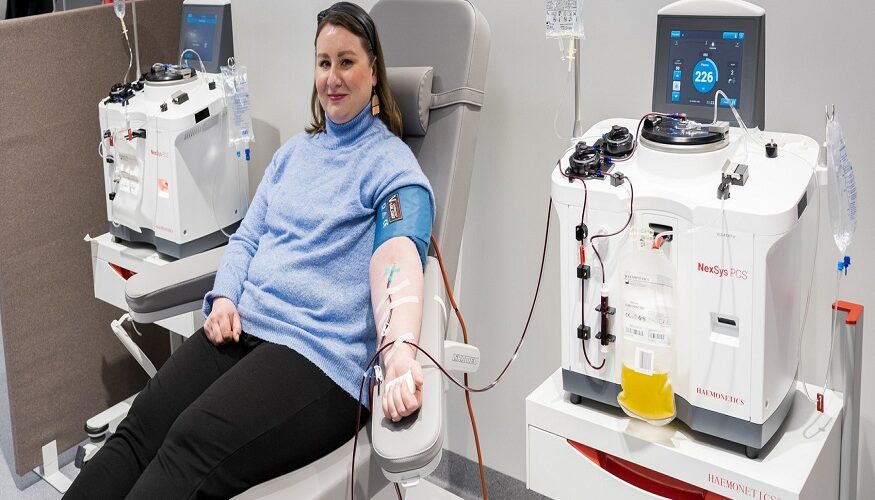
During a plasma donation session, donors can expect a controlled and supportive environment. Initially, the session begins with a check-in and health assessment, including a blood pressure and pulse evaluation. After verifying eligibility, the donor is seated comfortably, and a needle is inserted into a vein, usually in the arm, to collect blood. Unlike whole blood donations, plasma is separated from blood cells using a process called plasmapheresis, which involves a special machine that filters out plasma and returns the components of blood cells back to the donor. The entire process typically takes around 1 to 2 hours, during which donors can relax, read, or use their phones. Post-donation, donors are encouraged to rest and hydrate to replenish their energy and fluids.
The Lifesaving Journey: How Your Donation Directly Impacts Patients
The journey of plasma from donor to recipient is profound and underscores the importance of each individual’s contribution. Once collected, plasma is tested for safety and processed into various life-saving products, such as albumin, clotting factors, and hyperimmune globulin. These products can be used in treating chronic conditions like hemophilia, providing essential support to patients undergoing surgery, or even treating severe burns and infections. Every unit of plasma can impact multiple patients, and the stories behind these recipients reveal the critical difference a single donation can make. Understanding this life cycle can empower donors, creating a more personal and rewarding experience as they recognize the invaluable role they play in the larger health ecosystem.
Debunking Myths: Common Misconceptions About Plasma Donation
Is Donating Plasma Painful? Let’s Set the Record Straight
A common myth surrounding plasma donation is that the process is unbearably painful. In reality, while there may be a brief pinch at the beginning when the needle is inserted, most donors report minimal discomfort during the donation process. The advanced techniques used today, including the softer needles and the expert staff at donation centers, help alleviate any anxiety related to the procedure. Moreover, the actual donation takes a considerable amount of time; hence, any temporary discomfort is outweighed by the significant benefits that donations provide, making it a small price to pay for the potential to save lives.
Will Donating Plasma Affect My Health? Understanding the Risks
Another concern is the potential impact on the donor’s health. Fortunately, the process of donating plasma is conducted under strict clinical standards and regulations designed to safeguard the donor’s wellbeing. The body is remarkably resilient and can quickly replace the plasma volume donated, typically within 24-48 hours. Prior to donation, donors are meticulously screened to ensure that they are in good health and that the procedure poses minimal risk. While some might experience mild fatigue or dehydration post-donation, ensuring adequate hydration and nutrition can effectively mitigate these effects. Overall, the benefits to recipients significantly outweigh any minor risks for healthy individuals.
Read More: Finding the Right Support for Deeper, More Restful Sleep
Who Can Donate Plasma? Age, Health, and Other Criteria Explained
Eligibility for plasma donation is determined by various criteria designed to ensure safety for both the donor and the recipient. Typically, individuals ages 18 to 65, weighing at least 110 pounds, can qualify. Additionally, donors should be in good health without chronic medical conditions that could complicate the donation process. Specific lifestyle factors, such as drug use or recent vaccinations, might impact one’s eligibility. Furthermore, deferring periods may apply to anyone with recent illnesses or certain travel histories. Realizing these criteria can not only clarify who can donate but also encourage potential donors to assess their qualifications without hesitation, leading to more engagement in this altruistic act.
The Community Impact: How Plasma Donation Strengthens Societal Bonds
Tales from the Frontlines: Real-Life Stories of Recipients
The impact of plasma donation transcends medical statistics; it resonates deeply through the narratives of the individuals whose lives are transformed by these generous acts. For instance, consider the story of Sarah, a young mother diagnosed with a rare blood disorder who relied on regular plasma infusions to manage her symptoms and maintain her quality of life. Thanks to the continued supply of plasma-derived products from compassionate donors, Sarah is not only alive but thriving, spending cherished moments with her children. Recipients’ stories are compelling reminders of the tangible difference plasma donations make, inspiring others within the community to step forward and facilitate this life-restoring cycle.
Building a Culture of Giving: Encouraging Others to Join the Cause
Creating a culture of giving is essential for sustaining plasma donation levels and ensuring that patients receive the therapies they need. This culture can be fostered through various strategies, including educational programs in schools, company-sponsored donation drives, and community events that highlight the need for plasma and other blood donations. Programs that share success stories and the positive outcomes of donations can galvanize community spirit and prompt individuals to contribute their time and resources. The efforts can eventually lead to a sustained pipeline of donors, each contributing to a thriving community that prioritizes health and wellness. Ultimately, when individuals understand the impact of their contributions, it fosters a deeper sense of purpose and community solidarity.
The Role of Organizations in Promoting Plasma Donation Awareness
Organizations dedicated to promoting plasma donation play a crucial role in disseminating information, raising awareness, and enacting policy changes to optimize donation practices. These organizations run campaigns to educate the public about the need for plasma donations and articulate the processes involved, ensuring transparency and safety to potential donors. In collaboration with hospitals and research institutions, these organizations work to bridge the gap between medical needs and community engagement, leveraging technology and outreach strategies that target demographics traditionally less involved in donations. Joint efforts such as health drives, partnerships with local businesses, and social media campaigns further amplify the message of the necessity of plasma contributions. When organizations undertake these initiatives, they become powerful catalysts in fostering community connections and enhancing public health outcomes.